"Original Medicare"
This path includes a Medicare Supplement to cover what Medicare does not cover and a Drug Plan (Plan D). In general, a supplement is accepted wherever and by whomever Medicare is accepted, and therefore the most comprehensive.

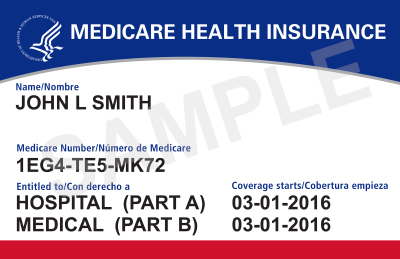
Medicare choices are confusing. We, and some clients, term it an alphabet soup. There are, however, some good things about Medicare choices (unlike Social Security). You can change your choice throughout your lifetime. There are 2 distinctive choices, and then choices with those choices.

Medicare options
If you are at or reaching retirement age, then you likely have some expertise with Medicare.
Before Goat Planning went into the entire "retirement planning" field, we exclusively had Medicare and life insurance clients with a range of incomes and options. The choice of a Medicare plan is unfortunately not simple.
-> please note, the Center for Medicare and Medicaid Services (CMS) regulations prohibit some verbiage on a website, so we cannot state everything, reference an insurance carrier, or use the term "best." So we are limited in providing the following information. With your written permission in advance of a conversation, called a Scope of Appointment, we can tell you more
Medicare plans vary widely by geography; state, county & city limitations dictate what is available. We maintain our Medicare licenses because your choice of a plan can be confusing and a big part of an overall long-term plan.
There are two major categories of Medicare plans from which to choose: 1. Supplements (also known as Medigap), and 2. Medicare Advantage.
Medicare is available to many folks before the age of 65, but most people are eligible at age 65 (unfortunately, the term is "aged" for this qualification). Important to note is that Social Security is available as early as age 62, but "full retirement" is 67 for most people. You should separate the two programs of Social Security and Medicare. They only work together for billing purposes; that is, your Medicare premiums will be deducted most often from your Social Security check.
Supplements (Medigap)
This is the choice versus Medicare Advantage. There are a few plans offered by many private insurance companies, but the terms are dictated by CMS and therefore benefit identical across insurance companies. These Supplements are identified by letter. Plan G is the most comprehensive (Plan F is no longer available to new enrollees). Supplements are designed to help cover costs that Medicare does not pay. Medicare pays, in general, 80% of costs, except for drugs, for which they pay 0% most of the time. Plan G covers the 20% that Medicare does not cover according to Medicare rules.
There is a monthly premium for Plan G (and other plans). For most services, including hospital stays, Plan G will cover the cost. Plan G is accepted by any hospital or physician group that accepts Medicare.
Plan D (drugs)
Supplements do not cover prescription drugs except in some inpatient hospital settings. You MUST have a separate policy for prescription drugs. Failure to have a Plan D can impose a significant lifetime penalty even if you get a Plan D later.
Medicare Advantage (MA)
Very popular (more than 50% of Medicare beneficiaries have Medicare Advantage). Whereas supplements/Medigap can be termed "pre-pay" via the premium, MA plans are very like the private insurance that you likely have or had. They are offered and approved by CMS through private insurance companies. There may or may not be a premium; many have $0 premium. Not always, but most have Plan D drugs included. There are normally co-pays, deductibles, co-payments, and other limitations. Many plans have added benefits such as dental & vision which Medicare normally does not cover. You might term these plans "pay as you go." There are plans specific to military veterans and those with chronic conditions, again depending on your geography.
Again, CMS regulations prohibit further descriptions and specifics on a website. You can complete a Scope of Appointment at least 48 hours in advance of our conversation to get more details. (CMS requires the 48 hour notice)